The right skin tint for combo skin should even out tone without turning the T-zone slick or making drier areas look tight. That balance is difficult because combination skin is not one uniform surface: the forehead, nose, and chin may produce more oil while the cheeks or around the mouth need a more comfortable finish. A tint that looks good on one zone can separate, cling, or fade on another.
This guide explains how to compare a skin tint for combination skin by coverage, finish, formula, shade, application, wear expectations, and removal. It does not treat a complexion product as skincare or promise that one formula will suit every person. Check the current ingredient list, directions, shade description, and return policy on the retailer or manufacturer page before buying.
This article contains affiliate links. If you use one and complete an eligible purchase, Last Meadow Guide may earn a commission at no extra cost to you. The retailer controls current price, stock, shade availability, and policy details.
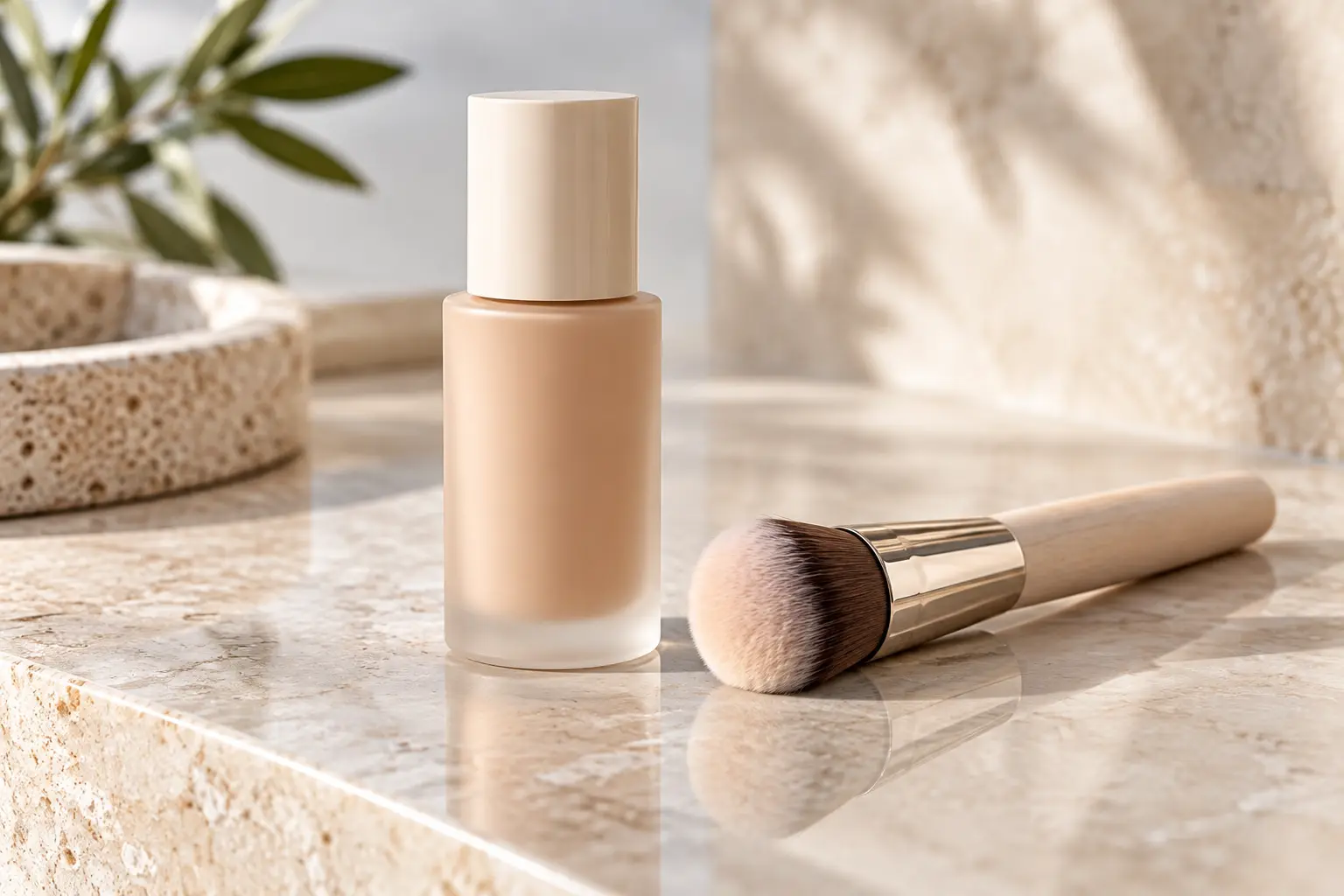
Skin tint for combo skin: the short answer
A useful starting point is a light-to-buildable formula with a finish that is neither extremely matte nor heavily dewy. That description still leaves important questions unanswered. A tint can be water-based, silicone-forward, oil-rich, balm-like, or formulated around film-forming ingredients. The ingredient list and the product directions matter more than the word “natural,” “clean,” or “glowy.” Those marketing terms do not define how the product will behave on your face.
Combination skin often benefits from a flexible application plan. Use a thinner layer through the oilier center of the face, add coverage only where redness or uneven tone needs it, and keep richer skincare underneath the drier zones rather than applying the same amount everywhere. The formula should remain comfortable when applied in different amounts. If it only works as a heavy full-face layer, it may not behave like the lightweight product you expected.
Separate coverage from finish
Skin tints usually provide sheer or light coverage, but the visible result depends on pigment concentration, texture, application method, and how much product is used. A sheer tint may blur mild unevenness while allowing freckles and natural skin variation to show. A buildable tint may cover more in a second layer, though extra product can make the nose and chin look heavier or emphasize dry texture.
Finish describes how light reflects from the surface. Matte formulas reduce visible shine but can catch on flaky areas if the base is too dry. Dewy formulas reflect more light and can make cheeks look comfortable while becoming glossy across the T-zone. A natural or satin finish often offers a useful middle point, but finish names vary between brands. Look for ingredient details, shade photos, and swatches in ordinary light rather than relying on a studio label.
Read the formula for the zones that behave differently
For an oily center, examine whether the product is designed to set, whether it includes volatile ingredients, and whether the manufacturer recommends a thin layer. That information does not guarantee oil control, but it helps you understand the intended use. Avoid assuming that a product will stay matte for a full day because the packaging uses the word “longwear.” Heat, humidity, sunscreen, touching, and sebum change the result.
For drier cheeks, look at the texture and the preparation instructions. A fluid tint may sit comfortably over a well-prepared base, while a quick-setting formula may catch on rough patches if applied over too little moisturizer. The U.S. Food and Drug Administration’s cosmetics guidance is useful for general cosmetic information and labeling questions. It cannot predict personal compatibility, so patch-test new products as directed and stop using a product that causes a concerning reaction.
Build a two-zone preparation routine
The same amount of moisturizer across the face is not required. Use the lightest comfortable layer where shine is a concern and a little more hydration where the skin feels tight. Allow skincare and sunscreen to settle according to their directions before applying tint. Too many wet layers can make any complexion product slip, while too little preparation can make a natural finish look uneven.
Primer is optional. A mattifying primer may help the center of the face, while a smoothing or hydrating layer may feel better on the cheeks. Keep the products compatible by testing a small area first. If the tint pills, separates, or rolls, change one variable at a time: the amount of skincare, the wait time, the primer, or the application tool. Changing everything at once hides the cause.
Choose a shade using undertone and depth
Shade matching is harder with a sheer product because the tint may blend across several tones while still looking too pink, yellow, gray, or deep. Start with the manufacturer’s shade descriptions and swatches, then compare the shade to the jaw and neck rather than the back of the hand. Natural daylight is more useful than a warm bathroom bulb. If the retailer offers a virtual matching tool, treat it as a starting point and confirm the return rules.
Undertone describes the warm, cool, neutral, or olive direction of a shade. Depth describes how light or deep it is. A tint that is slightly translucent may tolerate a small depth difference, but undertone mismatch can still make the complexion look dull or orange. If you use self-tanner or change your base shade seasonally, check whether the brand provides a flexible range or a shade-adjusting policy.
Apply less product where oil gathers
Start with a small amount in the center of the face and spread outward. Fingers can warm and thin a fluid tint; a damp sponge can create a softer layer; a brush can distribute pigment more evenly while building coverage quickly. There is no universal best tool. The better choice is the one that lets you control how much product reaches the T-zone and the dry areas.
Press rather than repeatedly rubbing over the nose and around the mouth. Those areas move and often receive more sunscreen, so friction can create separation. Add a second thin layer only to the spots that need it. If the cheeks look dry, use the remaining product on the tool rather than adding a fresh heavy layer. Let the base settle before deciding whether more coverage is necessary.
Set only where you need control
Powder can extend wear through the T-zone, but a full-face layer may remove the flexible finish that makes a tint attractive. Use a small brush or puff and press a modest amount around the nose, forehead, and chin. Keep the cheeks lightly set or unset if they already look comfortable. Blotting later may be enough when the formula is otherwise performing well.
Setting spray can change the finish, though it cannot repair a formula mismatch or excessive skincare underneath. Check the spray’s directions and avoid spraying into the eyes. Wear expectations should remain realistic: a skin tint is often chosen for a lighter feel, so touch-ups may be a reasonable trade for comfort. Carrying a small amount of product or a clean tool can be more useful than applying a thick first layer.
Consider sunscreen separately
A tint with an SPF claim should be evaluated using the product’s directions and the amount required for that protection claim. Do not assume a small amount of complexion product replaces a dedicated sunscreen routine. Follow the sunscreen label and apply enough product for the intended protection, allowing it to settle before makeup when the directions permit.
Also check whether fragrance, essential oils, or other ingredients are relevant to your personal tolerance. “For sensitive skin” is a marketing description, not a guarantee. The FDA provides general cosmetic information, while personal compatibility depends on the individual product and user. Keep the packaging until you know the shade, finish, and comfort work in your routine.
Remove the tint at the end of the day
Removal should match the formula and your skin’s tolerance. A gentle cleanser may be enough for a light tint, while a long-wear or water-resistant formula may need an appropriate first cleansing step followed by the usual cleanser. Avoid scrubbing the nose or cheeks to force product away. Friction can make the skin feel worse even when the tint itself was comfortable.
Clean brushes and sponges according to their material and the maker’s instructions. Replace tools when they cannot be cleaned properly or have damaged surfaces. Store the tint closed and away from excessive heat. Check the product’s period-after-opening symbol or manufacturer guidance, and do not keep using a product whose smell, texture, or color has changed.
Final checklist
Before ordering a skin tint for combo skin, check the shade range, undertone descriptions, finish, coverage level, formula texture, ingredient list, application directions, sunscreen claim, return rules, and current availability. Plan a small-area test and keep the packaging until the product has survived several ordinary wear situations. Evaluate the T-zone and cheeks separately rather than expecting one visual result everywhere.
The best tint for combination skin is the one that gives enough tone-evening with a controllable layer, stays comfortable on drier areas, and can be adjusted where oil appears. Choose the preparation and setting routine with the zones in mind. A natural finish is the result of proportion and placement, not a promise printed on the bottle.
Frequently asked questions
Is a dewy skin tint suitable for combination skin?
It can be, especially when the cheeks need comfort and the T-zone is set lightly. Apply less product in the center and inspect the finish in daylight before adding more.
Should combination skin use a matte tint?
A soft-matte or satin finish may offer easier shine control, but a fully matte formula can emphasize dry texture. Formula, preparation, and application thickness all matter.
Can a skin tint replace foundation?
Yes, when the user wants lighter coverage and accepts more natural skin variation. It may not replace a higher-coverage base for events or specific discoloration.
How should I test the shade?
Compare a small amount along the jaw and neck in natural light. Keep the packaging and confirm the retailer’s current return or exchange terms before opening the product if possible.
Final verdict
A skin tint for combo skin should be chosen as a flexible complexion layer, not a universal fix. Match the shade by undertone and depth, prepare the face by zone, apply a thin layer, and set only where shine requires it. Verify the current formula and directions on the product page before buying, then judge the result after ordinary movement and daylight rather than a single indoor mirror check.


