A cleanser removes oil, sunscreen, makeup, and grime, but a harsh one can leave skin tight and irritated. Choosing a gentle cleanser is one of the simplest ways to support your skin barrier. This guide explains what to look for. It is general information, not medical advice.
Why gentle cleansing matters
The outer layer of skin contains lipids that help hold in moisture and protect against irritants. Strong cleansers can strip some of these lipids, which may cause tightness, dryness, or redness, especially if you cleanse often.
Surfactants in plain terms
Surfactants are the cleansing agents. Some are milder than others:
- Sodium lauryl sulfate (SLS) cleans strongly and is more likely to irritate sensitive skin.
- Milder surfactants include cocamidopropyl betaine, decyl glucoside, coco-glucoside, and sodium cocoyl isethionate. These are common in gentle formulas.
The overall formula matters. A cleanser with a strong surfactant can still feel gentle if it is balanced with other ingredients, and vice versa.
pH and the skin
Healthy skin is slightly acidic. Many gentle cleansers are formulated close to skin's natural pH. Traditional bar soaps are usually alkaline, which some people find drying. Syndet bars (synthetic detergent bars) are often milder than soap.
Cleanser types
- Cream and lotion cleansers: soft and non-foaming, good for dry or sensitive skin.
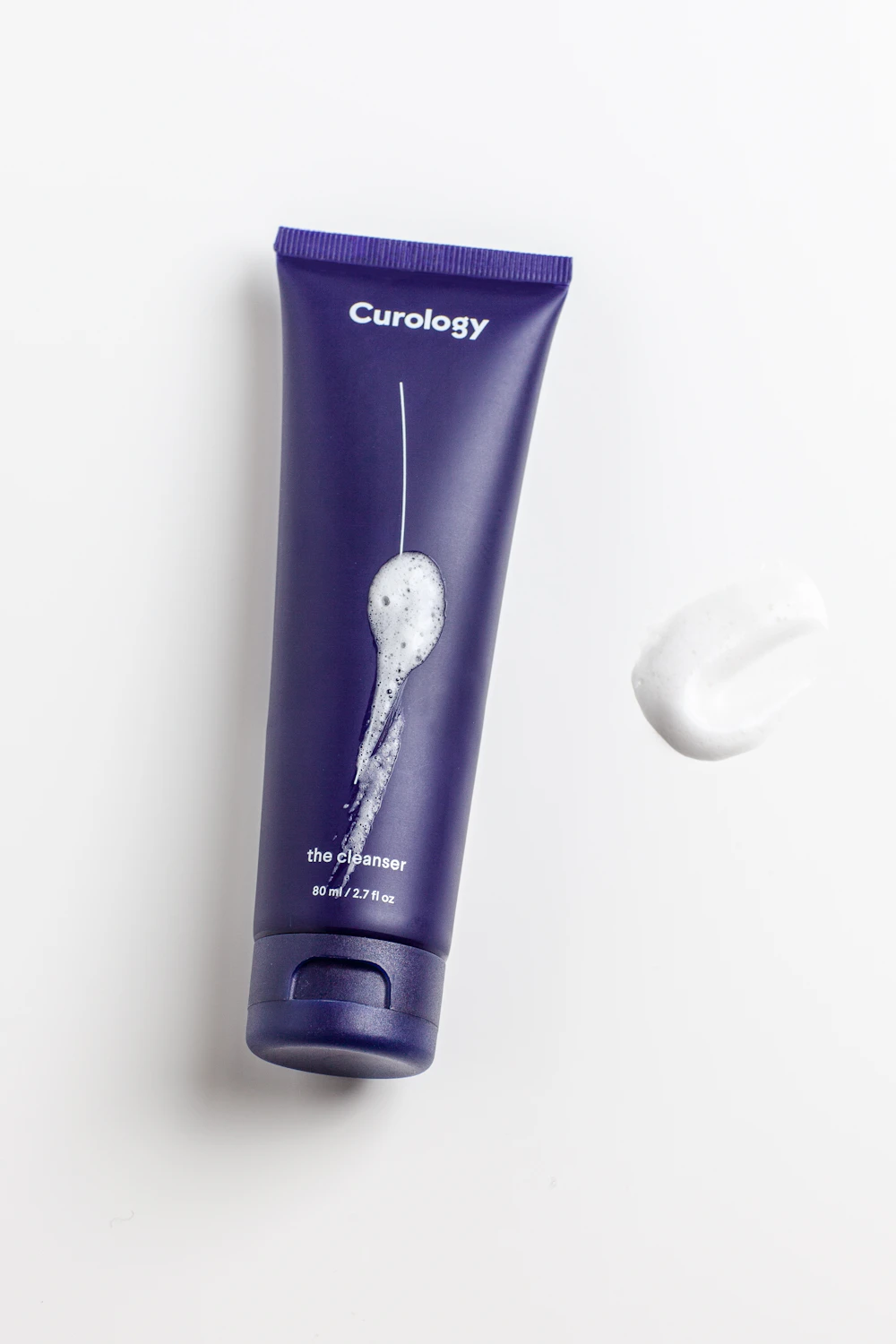
- Gel cleansers: light, often foaming, popular for oily or combination skin.
- Cleansing oils and balms: dissolve makeup and sunscreen, then rinse off with water.
- Micellar water: wipe-off cleansing, useful for light removal or travel.
Many people double cleanse in the evening: an oil or balm first, then a gentle water-based cleanser.
Ingredients that can help
Look for supportive ingredients such as glycerin, ceramides, panthenol, and niacinamide. These help skin feel comfortable after rinsing.
Avoiding over-cleansing
- Use lukewarm water rather than hot.
- Cleanse for about 30 to 60 seconds.
- In the morning, a water rinse or very gentle cleanser may be enough for dry skin.
- Avoid rough scrubs and brushes if your skin is sensitive.
If your skin feels tight or squeaky after cleansing, try a milder product.
Fragrance and sensitive skin
Fragrance is a common source of irritation. If your skin reacts easily, choose fragrance-free options and patch test new products.
Quick checklist
- Choose a cleanser type for your skin and routine.
- Look for mild surfactants.
- Prefer fragrance-free formulas if you are sensitive.
- Check for supportive ingredients like glycerin or ceramides.
- Use lukewarm water and keep cleansing short.
- Watch for tightness and adjust.
FAQ
Should my face feel squeaky clean? No. A squeaky feeling often means the cleanser removed too much oil.
Do I need to cleanse twice a day? Many people do, but those with dry skin may prefer water in the morning and cleanser at night.
Is foaming bad? Not necessarily. Foam depends on the surfactant type; many gentle foaming cleansers exist.