A small set of well-chosen basics can cover most of your week, from work to weekends. The goal is not to own as little as possible, but to own pieces that fit well, mix easily, and last. This guide focuses on three staples: the oxford shirt, the heavy cotton t-shirt, and the navy blazer.
Start with what you wear most
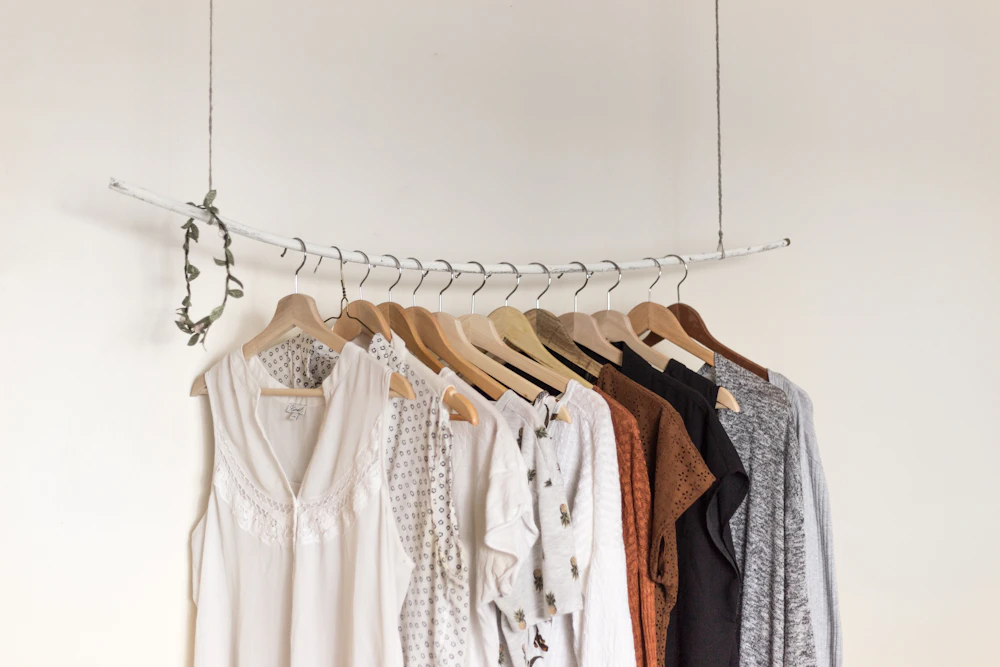
Before buying, look at your week. What do you wear for work, errands, and evenings? A core wardrobe should support your actual routine. Note colors you already wear often and pieces that never get used.
The oxford cloth button-down (OCBD)
Oxford cloth is a basketweave cotton that is slightly textured and soft after washing. It looks good both dressed up and casual.
What to check:
- Collar: a soft roll on button-down collars looks relaxed and natural.
- Fabric: heavier oxford cloth feels sturdy; lighter versions are cooler in summer.
- Fit: shoulders should end at your shoulder bone, with enough room to move.
- Details: a back box pleat and locker loop are traditional but optional.
White and light blue are the easiest colors to start with.
The heavy cotton t-shirt
A good tee holds its shape and does not twist after washing.
- Fabric weight: heavier jersey (often described in gsm) drapes better and feels more durable. Very heavy tees can be warm.
- Construction: tubular-knit tees have no side seams, which some people like. Side-seamed tees often fit better.
- Neckline: a ribbed collar that lies flat and recovers after stretching.
- Shrinkage: check whether the cotton is pre-shrunk.
White, grey, navy, and black cover most needs.
The navy blazer
A navy blazer works with jeans, chinos, and grey trousers.
What to check:
- Fabric: wool hopsack or a textured weave looks good with casual trousers and breathes well.
- Construction: canvassed or half-canvassed jackets shape better over time than heavily fused ones.
- Shoulders: soft shoulders suit casual wear; structured shoulders look more formal.
- Fit: you should be able to button it without pulling, and the sleeves should show a little shirt cuff.
Fit over brand
Fit matters more than labels. A basic tailor can adjust sleeve length, trouser hems, and waist. Budget for alterations when buying.
Colors and mixing
A small palette helps everything work together. Navy, grey, white, light blue, olive, and brown are easy to combine. Add patterns sparingly, such as one striped shirt or a textured knit.
Care to make pieces last
- Wash shirts and tees in cool water and line dry to reduce shrinkage.
- Use proper hangers for blazers.
- Brush wool jackets after wear.
- Rotate items so they rest between uses.
Quick checklist
- List what you wear each week before buying.
- Choose fabrics and weights for your climate.
- Check collars, seams, and construction.
- Prioritize fit and budget for tailoring.
- Keep a small, coordinated color palette.
- Follow care labels.
FAQ
How many pieces do I need? It varies. Many people start with a few shirts, several tees, one blazer, and two or three trousers, then add as needed.
Is a more expensive tee worth it? Sometimes. Heavier fabric and better construction can hold shape longer, but fit and care matter as much as price.
Can a navy blazer be worn casually? Yes. Pair it with jeans, a tee, or an oxford shirt for an easy smart-casual look.